AWS Security Blog
Tag: IAM

Practical steps to minimize key exposure using AWS Security Services
Exposed long-term credentials continue to be the top entry point used by threat actors in security incidents observed by the AWS Customer Incident Response Team (CIRT). The exposure and subsequent use of long-term credentials or access keys by threat actors poses security risks in cloud environments. Additionally, poor key rotation practices, sharing of access keys […]
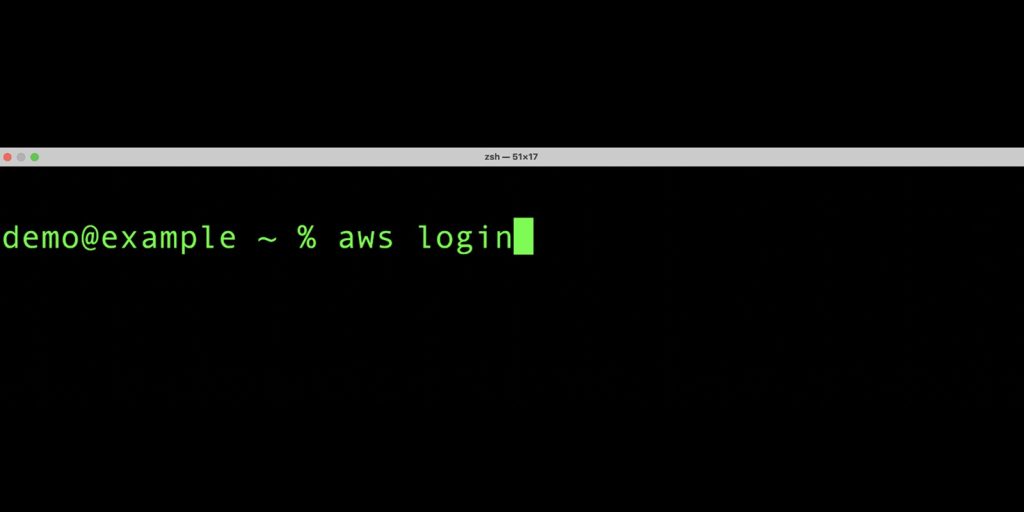
Simplified developer access to AWS with ‘aws login’
Getting credentials for local development with AWS is now simpler and more secure. A new AWS Command Line Interface (AWS CLI) command, aws login, lets you start building immediately after signing up for AWS without creating and managing long-term access keys. You use the same sign-in method you already use for the AWS Management Console. […]
Beyond IAM access keys: Modern authentication approaches for AWS
When it comes to AWS authentication, relying on long-term credentials, such as AWS Identity and Access Management (IAM) access keys, introduces unnecessary risks; including potential credential exposure, unauthorized sharing, or theft. In this post, I present five common use cases where AWS customers traditionally use IAM access keys and present more secure alternatives that you […]

Building identity-first security: A guide to the Identity and Access Management track at AWS re:Inforce 2025
Join us at AWS re:Inforce 2025 from June 16 to 18 as we dive deep into identity and access management, where we’ll explore how organizations are securing identities at scale. As the traditional security perimeter continues to dissolve in our hybrid and multi-cloud world, this year’s sessions showcase how AWS customers are building comprehensive identity-centric […]

Many voices, one community: Three themes from RSA Conference 2025
RSA Conference (RSAC) 2025 drew 730 speakers, 650 exhibitors, and 44,000 attendees from across the globe to the Moscone Center in San Francisco, California from April 28 through May 1. The keynote lineup was eclectic, with 37 presentations featuring speakers ranging from NBA Hall of Famer Earvin “Magic” Johnson to public and private-sector luminaries such as former […]

Planning for your IAM Roles Anywhere deployment
IAM Roles Anywhere is a feature of AWS Identity and Access Management (IAM) that enables you to use X.509 certificates from your public key infrastructure (PKI) to request temporary Amazon Web Services (AWS) security credentials. By using IAM Roles Anywhere, your workloads, applications, containers, or devices that run external to AWS can access AWS resources and perform tasks like […]

Use AWS service reference information to automate policy management workflows
Amazon Web Services (AWS) provides service reference information in JSON format to help you automate policy management workflows. With the service reference information, you can access available actions across AWS services from machine-readable files. The service reference information helps to address a key customer need: keeping up with the ever-growing list of services and actions […]

Four ways to grant cross-account access in AWS
As your Amazon Web Services (AWS) environment grows, you might develop a need to grant cross-account access to resources. This could be for various reasons, such as enabling centralized operations across multiple AWS accounts, sharing resources across teams or projects within your organization, or integrating with third-party services. However, granting cross-account access requires careful consideration […]

Connect your on-premises Kubernetes cluster to AWS APIs using IAM Roles Anywhere
February 26, 2025: We’ve updated this post to fix a typo in the code in Step 5 – Deploy your workload. Many customers want to seamlessly integrate their on-premises Kubernetes workloads with AWS services, implement hybrid workloads, or migrate to AWS. Previously, a common approach involved creating long-term access keys, which posed security risks and […]

How to implement IAM policy checks with Visual Studio Code and IAM Access Analyzer
In a previous blog post, we introduced the IAM Access Analyzer custom policy check feature, which allows you to validate your policies against custom rules. Now we’re taking a step further and bringing these policy checks directly into your development environment with the AWS Toolkit for Visual Studio Code (VS Code). In this blog post, […]