AWS Compute Blog
Tag: Amazon EC2
Performance benefits of new Amazon EC2 R8a memory-optimized instances
Recently we announced the availability of Amazon Elastic Compute Cloud (Amazon EC2) R8a instances, the latest addition to the AMD memory-optimized instance family. These instances are powered by the 5th Generation AMD EPYC (codename Turin) processors with a maximum frequency of 4.5 GHz. In this post I take these instances for a spin and benchmark MySQL later on, but first I discuss the top things you should know about these instances.
Optimize latency-sensitive workloads with Amazon EC2 detailed NVMe statistics
Amazon Elastic Cloud Compute (Amazon EC2) instances with locally attached NVMe storage can provide the performance needed for workloads demanding ultra-low latency and high I/O throughput. High-performance workloads, from high-frequency trading applications and in-memory databases to real-time analytics engines and AI/ML inference, need comprehensive performance tracking. Operating system tools like iostat and sar provide valuable system-level insights, and Amazon CloudWatch offers important disk IOPs and throughput measurements, but high-performance workloads can benefit from even more detailed visibility into instance store performance.

Automating Notifications for Future-Dated Amazon EC2 Capacity Reservation State Changes
This post is written by Ballu Singh, Principal Solutions Architect at AWS, Sandeep Rohilla, Senior Solutions Architect at AWS and Pranjal Gururani, Senior Solutions Architect at AWS. AWS customers are able to proactively reserve future-dated Amazon EC2 On-Demand Capacity Reservations (known as future-dated CRs) to get capacity assurance for workloads and events. Because reservations can be created weeks […]

Reduce your Microsoft licensing costs by upgrading to 4th generation AMD processors
This post is written by Jeremy Girven, Solutions Architect at AWS and Chase Lindeman, Senior Specialist Solutions Architect at AWS. Amazon Web Services (AWS) and AMD have collaborated since 2018 to deliver cost effective performance for a broad variety of Microsoft workloads, such as Microsoft SQL Server, Microsoft Exchange Server, Microsoft SharePoint Server, Microsoft Systems […]

Retaining Optimize CPUs configuration during Amazon EC2 scaling to save on licensing costs
This post is written by Rafet Ducic, Senior Solutions Architect at Amazon Web Services (AWS) Introduction Amazon Elastic Compute Cloud (Amazon EC2) now lets you modify CPU configurations after an instance has launched. With this new feature, users can change instance CPU settings either by directly modifying the CPU configuration, or when changing instance size […]
Applying Spot-to-Spot consolidation best practices with Karpenter
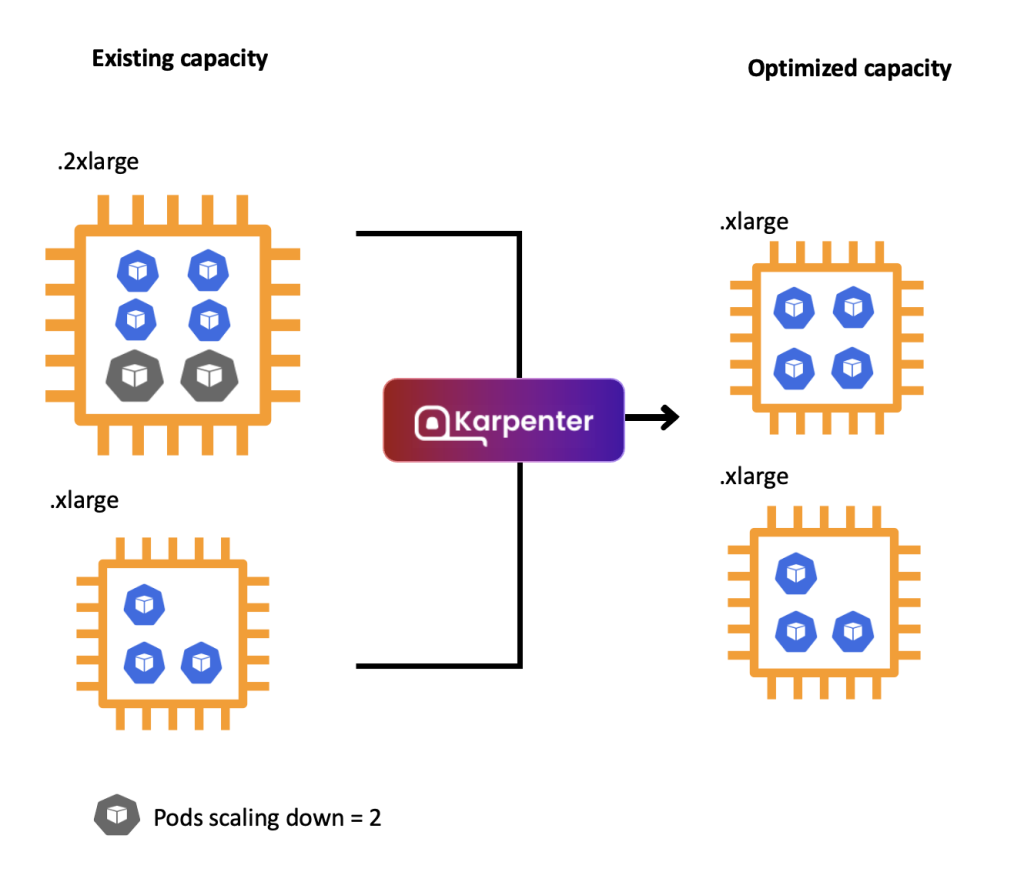
This post is written by Robert Northard – AWS Container Specialist Solutions Architect, and Carlos Manzanedo Rueda – AWS WW SA Leader for Efficient Compute Karpenter is an open source node lifecycle management project built for Kubernetes. In this post, you will learn how to use the new Spot-to-Spot consolidation functionality released in Karpenter v0.34.0, […]
It’s About Time: Microsecond-Accurate Clocks on Amazon EC2 Instances
This post is written by Josh Levinson, AWS Principal Product Manager and Julien Ridoux, AWS Principal Software Engineer Today, we announced that we improved the Amazon Time Sync Service to microsecond-level clock accuracy on supported Amazon EC2 instances. This new capability adds a local reference clock to your EC2 instance and is designed to deliver […]

Using Porting Advisor for Graviton
This blog post is written by Ryan Doty Solutions Architect, AWS and Vishal Manan Sr. SSA, EC2 Graviton , AWS. AWS customers recognize that Graviton-based EC2 instances deliver price-performance benefits but many are concerned about the effort to port existing applications. Porting code from one architecture to another can require investment in time and effort. AWS […]

How to create custom health checks for your Amazon EC2 Auto Scaling Fleet
This blog post is written by Gaurav Verma, Cloud Infrastructure Architect, Professional Services AWS. Amazon EC2 Auto Scaling helps you maintain application availability and lets you automatically add or remove Amazon Elastic Compute Cloud (Amazon EC2) instances according to the conditions that you define. You can use dynamic and predictive scaling to scale-out and scale-in […]
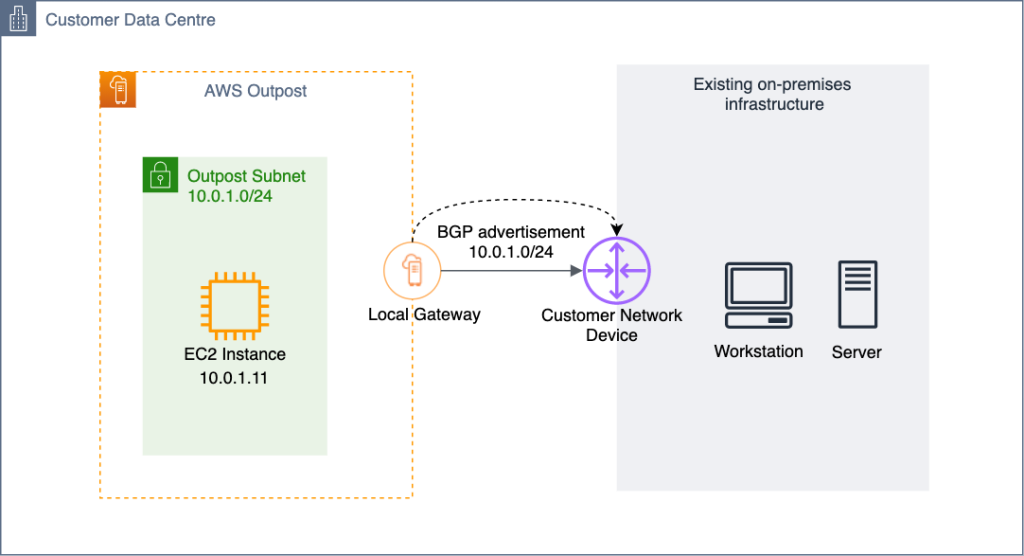
How to choose between CoIP and Direct VPC routing modes on AWS Outposts rack
This blog post is written by Sumit Menaria, Senior Hybrid Solutions Architect AWS WWSO Core Services. AWS Outposts Rack is a fully-managed service that extends AWS infrastructure, services, APIs, and tools to customer premises. By providing local access to AWS managed infrastructure and services, Outposts rack enables customers to build and run applications on premises […]